
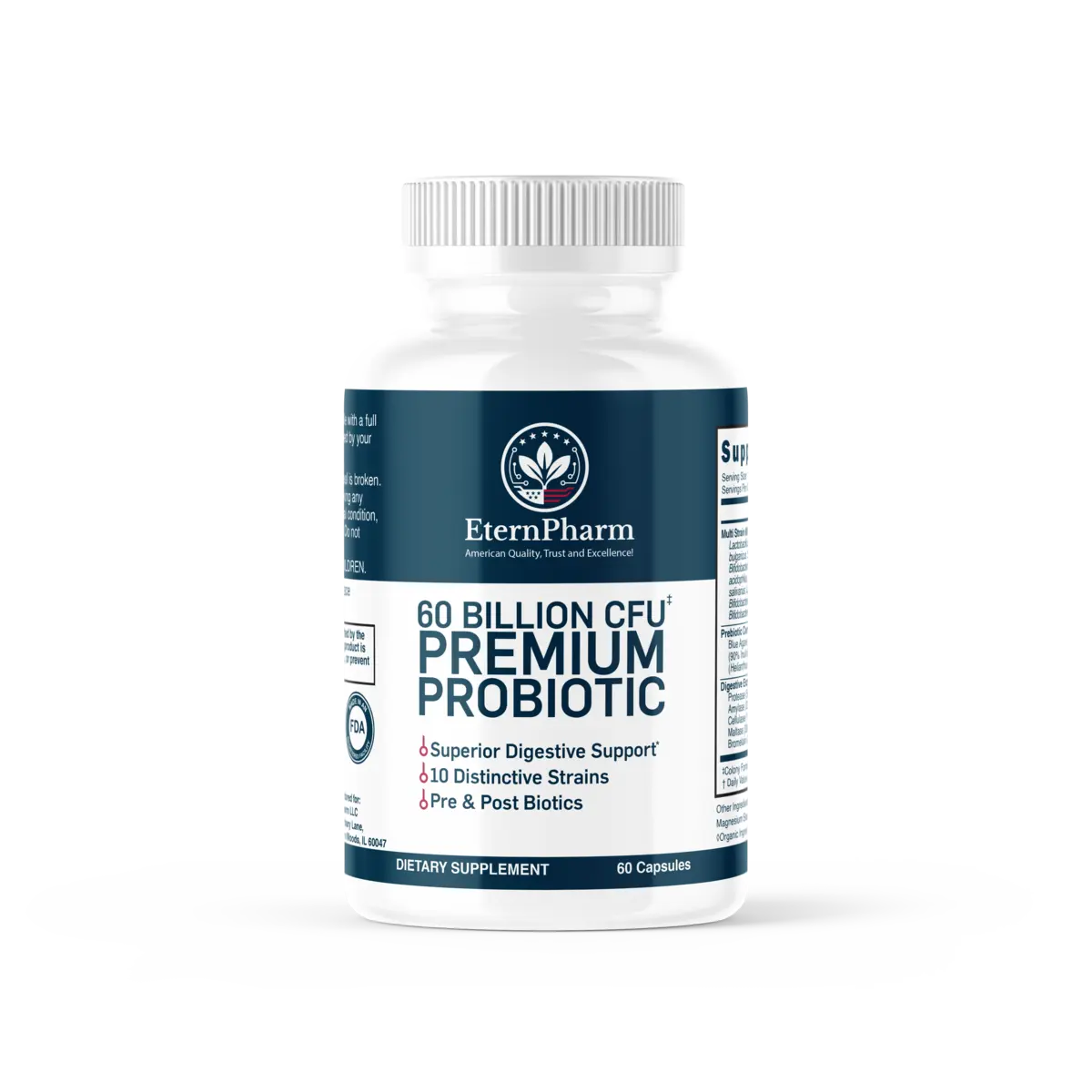



With hundreds of probiotic products on retail shelves and online marketplaces, choosing a suitable probiotic supplement can feel confusing for everyday shoppers. Many consumers only compare CFU numbers on the front label while overlooking other critical details that influence real‑world performance.
First, review the specific probiotic strains listed on your supplement facts panel. Generic “probiotic blend” without named species means you cannot verify which bacteria you are consuming. High‑quality supplements will clearly print each Lactobacillus and Bifidobacterium strain on the label.
Second, pay attention to whether CFU values refer to CFU‑at‑manufacture versus guaranteed CFU at expiration. Most probiotic potency degrades gradually during storage. Reputable brands clearly state this detail on packaging.
Third, consider delivery technology. Many probiotic bacteria cannot survive stomach acid. Delayed‑release, plant‑based capsules help shield strains until they reach your intestinal tract, where probiotics exert their main beneficial effects.*
Fourth, look for label transparency: avoid products hiding large portions of formula inside unnamed “proprietary blends”. Trustworthy supplements print exact milligram amounts for each complex.
Finally, verify manufacturing quality. Dietary supplement buyers should look for facilities operating under independent GMP audits, batch‑by‑batch laboratory testing for purity and heavy‑metal screening.
No single probiotic works identically for every person. Your personal diet, lifestyle, and existing gut microbiome all shape your experience. If you have ongoing digestive concerns, consult your healthcare provider.
*These statements have not been evaluated by the Food and Drug Administration. This product is not intended to diagnose, treat, cure, or prevent any disease.